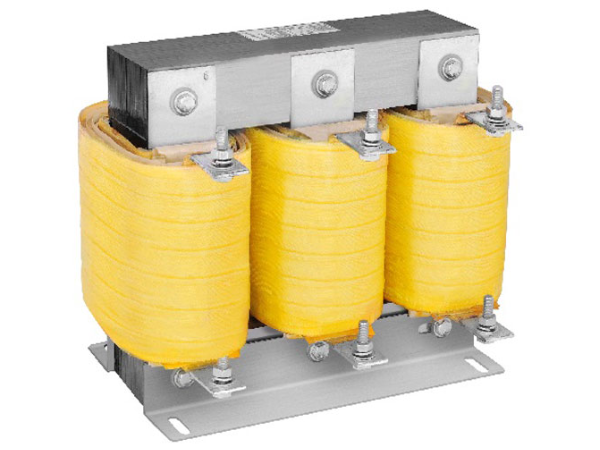
Reactor
Key Info
| Function | : | Limits fault current during short circuit conditions to protect equipment |
| Application Location | : | Installed at power plant output or substation input |
| Rated Current | : | Up to 6300 A |
| Insulation Class | : | Up to 36 kV |
| Purpose | : | Enhances system stability and protects transformers, switchgear, and network components |
| Construction | : | Robust design with high-quality insulation for reliable performance |
| Operation | : | Continuous duty with low maintenance requirements |
| Standards Compliance | : | Designed according to relevant international standards |
| Installation | : | Suitable for industrial and utility power systems |
| Customization | : | Available based on system requirements |
Reactors are essential components used in electrical power systems to limit fault currents and enhance system stability during short circuit conditions. They act as current limiters, protecting equipment and ensuring safe operation by reducing the impact of sudden electrical faults.
Typically installed at the output of power plants or at the incoming section of substations, reactors help maintain system reliability and protect transformers, switchgear, and other critical infrastructure. Designed with robust construction and high-quality insulation, they deliver dependable performance under demanding operating environments.
Our reactors are available with production ratings up to 6300 A and insulation classes up to 36 kV, making them suitable for a wide range of industrial and utility applications. Engineered for durability and efficiency, they provide effective fault current control and contribute to improved power system protection.
🔑 Key Features
- Effective short circuit current limitation
- Improves system stability and equipment protection
- Rated current up to 6300 A
- Insulation class up to 36 kV
- Suitable for power plants and substations
- Reliable and low maintenance design
- Robust construction for long service life